Spectrios Institute
for Low Vision
News & Updates
Join the Vital Vision Campaign
In celebration of 40 years serving individuals with low vision, Spectrios is proud to announce the Vital Vision Campaign- a renewed commitment to expanding access, advancing clinical excellence, and empowering lifelong independence for every person we serve.
Registration open for Spectrios 40th Anniversary Golf Classic
Registration is now open for the Spectrios 40th Anniversary Golf Classic on September 21 at the Glen Oak Country Club.
Space is limited and spots fill up quickly.



What is Low Vision?
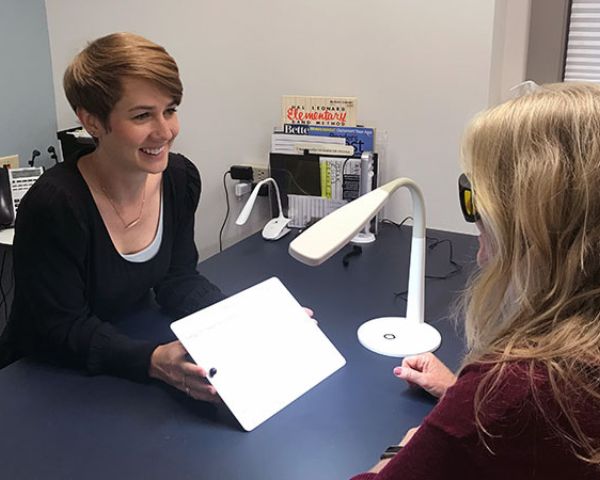
visual rehabilitation therapy
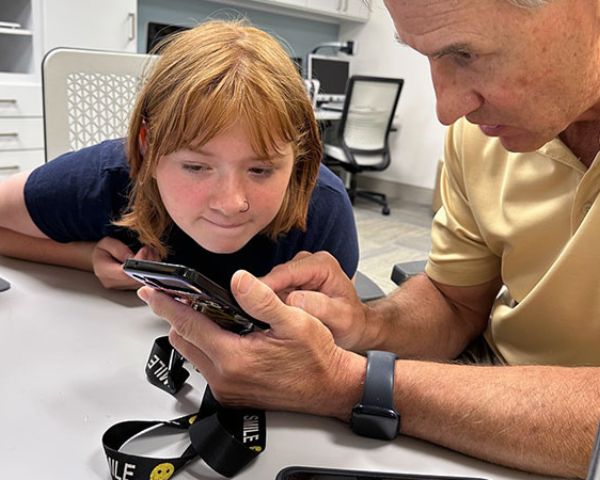
Access Technology Training & Support
Seeing Is Believing
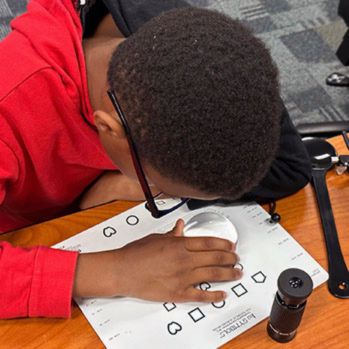
We know that limited vision can mean limited learning, but it doesn’t have to! Our in-school outreach program, Seeing is Believing, supports K-12 students with low vision. For over 30 years, this program has positively impacted more than 10,000 students across Illinois. Because this program is fully funded by generous donors, students receive low vision exams and essential tools at no cost. Our goal is to ensure that vision-related challenges never hinder their educational experience, allowing every child with a visual impairment to reach their full potential.